Connections That Stop Dripping and Stay Sealed
Fixture Installation & Repair in Cedar Springs for kitchens and bathrooms where leaks waste water and damage surrounding materials
A faucet that drips after being turned off completely, a toilet that runs intermittently and spikes water bills, or a showerhead spraying unevenly all indicate fixture problems that worsen without intervention. DRYFT Plumbing LLC handles installation and repair of sinks, faucets, toilets, and showers throughout Cedar Springs and surrounding areas, addressing both cosmetic upgrades and functional failures. Proper mounting, sealed connections, and alignment prevent the slow leaks that rot cabinetry and subfloors before homeowners notice visible damage.
Fixture repair often involves replacing worn washers, cartridges, or fill valves that no longer seal completely, while installation requires securing new units to existing supply and drain lines using compression fittings or soldered connections depending on pipe material. Each fixture is tested under operating pressure to confirm no seepage occurs at joints or mounting points.
Arrange an inspection to identify the source of fixture leaks or discuss replacement options for outdated units.
Why Fixture Problems Escalate Without Proper Sealing
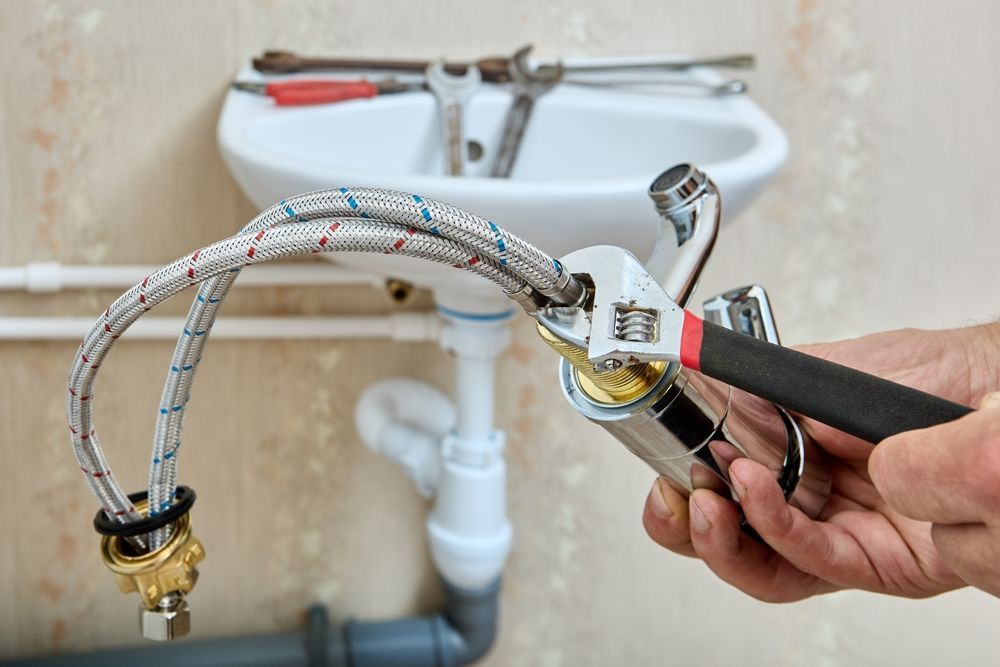
Fixture installation involves more than threading connections hand-tight and turning on the water. Supply line connections require specific torque to compress gaskets without cracking fittings, drain assemblies need plumber's putty or silicone applied in continuous beads to prevent water from seeping under the fixture, and mounting hardware must be tightened evenly to avoid stress cracks in porcelain or acrylic. Skipping these steps results in leaks that may not appear immediately but develop as gaskets compress unevenly or fixtures shift slightly over time.
After installation or repair, you'll notice faucets shut off completely without residual dripping, toilets refill and stop without continuous trickle sounds, and shower valves maintain consistent temperature without sudden fluctuations. Water no longer pools around the base of fixtures, cabinet floors stay dry, and supply lines remain free of the corrosion stains that indicate chronic seepage.
Fixture upgrades also address efficiency concerns, since older toilets use significantly more water per flush than current low-flow models, and outdated faucet aerators deliver higher flow rates than necessary for typical tasks. Replacing these components reduces monthly water consumption without requiring changes to usage habits.
Answers to Frequent Fixture Questions
Homeowners replacing or repairing fixtures often want to understand what's involved and whether existing plumbing needs modification to accommodate new units.
What causes faucets to drip even after being turned off completely?
Internal cartridges or rubber seals wear down from repeated use and mineral deposits in Cedar Springs' water supply, eventually allowing water to bypass the closed valve position and drip from the spout.
How do you prevent leaks when installing a new sink or toilet?
Connections are sealed using appropriate methods for each joint type—compression fittings for supply lines, wax rings for toilet flanges, and continuous putty beads for sink drains—then tested under full pressure before being considered complete.
When should fixtures be replaced instead of repaired?
Replacement makes sense when repair costs approach half the price of a new fixture, when the unit's finish is corroded beyond cleaning, or when internal parts are no longer manufactured for discontinued models.
What's included in a typical fixture installation service?
Installation includes removing the old fixture, preparing mounting surfaces, connecting new supply and drain lines, sealing all joints, securing the fixture level and stable, and testing for leaks under operating conditions.
How long do properly installed fixtures last before needing service?
Fixture lifespan depends on water quality and usage frequency, but correctly installed faucets and toilets typically operate without major issues for 10 to 15 years before internal components require replacement due to normal wear.
DRYFT Plumbing LLC provides fixture installation and repair services that address both immediate leaks and long-term efficiency improvements. Contact the office at (616) 828-8178 to schedule service or discuss fixture upgrade options based on your current bathroom and kitchen configuration.