On-Demand Systems That Deliver Without Delay
Tankless Water Heater Services in Cedar Springs for properties requiring continuous hot water or upgrading from storage tank limitations
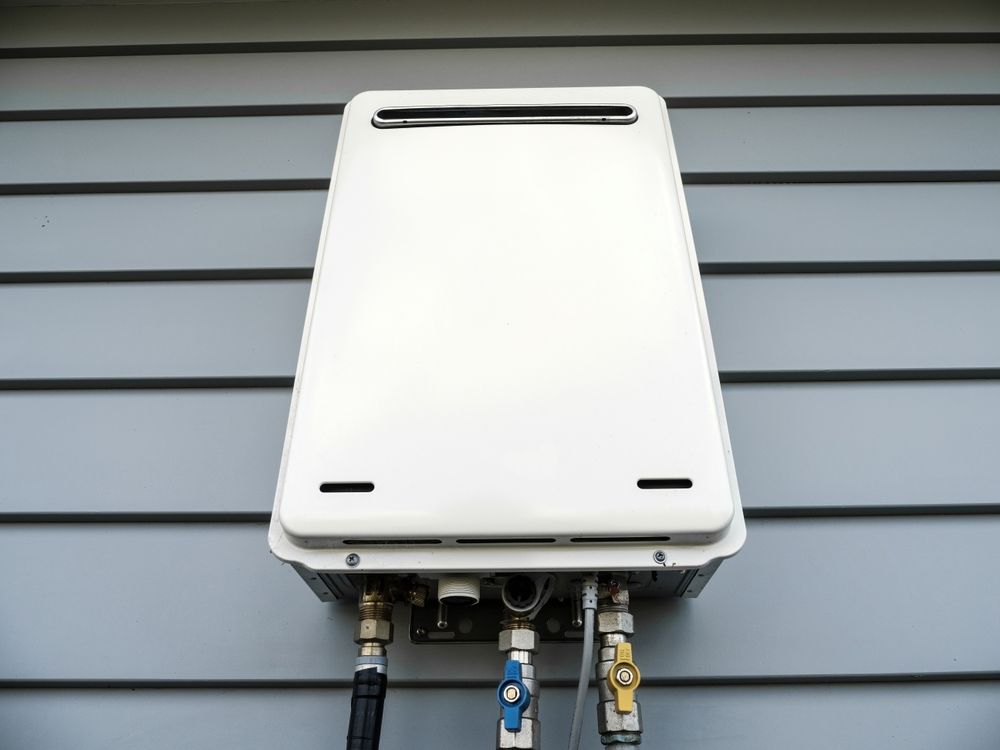
Tankless water heaters heat water only when a fixture demands it, eliminating the standby energy loss associated with maintaining 40 to 50 gallons at constant temperature. DRYFT Plumbing LLC installs, services, and troubleshoots tankless systems in Cedar Springs and surrounding areas, addressing both gas and electric models. These units require different infrastructure than tank systems—higher gas line capacity or upgraded electrical circuits, proper venting for combustion models, and adequate water pressure to trigger the heating sequence.
Installation involves mounting the compact unit near existing gas and water lines, ensuring electrical supply meets amperage requirements, and configuring flow rates to match household demand without overwhelming the unit's heating capacity. Maintenance focuses on descaling heat exchangers, since mineral buildup from Cedar Springs' water supply reduces efficiency and eventually triggers error codes that prevent operation. Troubleshooting addresses flow sensor issues, ignition failures, and temperature inconsistencies that occur when multiple fixtures operate simultaneously.
Request a site assessment to determine whether your current plumbing and utility connections support tankless installation.
What Separates Reliable Tankless Performance From Constant Adjustments
Proper tankless installation requires calculating total fixture demand to select a unit with adequate flow capacity—undersized systems struggle when multiple showers run simultaneously, causing temperature drops mid-use. Gas models need combustion air supply and exhaust venting sized according to BTU output, while electric units demand dedicated circuits capable of handling instantaneous amperage spikes that exceed typical household loads. Water pressure must also meet minimum thresholds to activate flow sensors, or the unit won't fire regardless of demand.
When the system is correctly installed and maintained, hot water arrives at fixtures within seconds of opening the tap, temperature remains steady regardless of flow rate changes, and no recovery delay occurs between uses even during high-demand periods. The unit occupies minimal wall space compared to storage tanks, and utility costs decrease since energy is consumed only during active heating rather than continuously maintaining stored water temperature.
Descaling services become necessary as mineral deposits accumulate inside heat exchanger coils, restricting water flow and reducing heating efficiency. This maintenance interval depends on water hardness but typically occurs annually in areas with moderate mineral content like Cedar Springs, preventing the scale buildup that eventually damages heat exchangers beyond cleaning.
Questions About Tankless System Operation and Maintenance
Homeowners considering tankless systems or troubleshooting existing units often need clarity on performance expectations and service requirements specific to on-demand heating technology.
What causes tankless water heaters to display error codes?
Error codes typically indicate ignition failures, insufficient gas pressure, restricted water flow, scale buildup on heat exchangers, or electrical faults—all of which require diagnostic testing to pinpoint the specific component malfunction.
How does upgrading from a tank system to tankless affect installation complexity?
Conversion often requires upsizing gas lines to deliver higher BTU rates, installing dedicated electrical circuits for electric models, relocating the unit closer to high-demand fixtures, and adding water softening if mineral content is elevated.
When should tankless systems be descaled to prevent performance loss?
Annual descaling is standard in Cedar Springs given local water mineral levels, though homes with water softeners may extend this interval, while properties with very hard water might require more frequent service to prevent heat exchanger damage.
What determines whether a tankless system can handle multiple simultaneous fixtures?
Unit capacity measured in gallons per minute (GPM) at a specific temperature rise determines how many fixtures can operate at once—undersized units cause temperature fluctuations when demand exceeds heating capacity.
How long do tankless water heaters operate before requiring major service?
Well-maintained tankless systems typically provide 15 to 20 years of service before heat exchangers or control boards fail, significantly longer than storage tank lifespans, though they require more frequent preventive maintenance throughout that period.
DRYFT Plumbing LLC provides complete tankless water heater services from initial installation through ongoing maintenance. Reach out by calling (616) 828-8178 to discuss system sizing for your household demand or to schedule descaling service for an existing unit.